This is an editorial review based on manufacturer specifications, public manuals, and comparison research. It is not a hands-on product test.
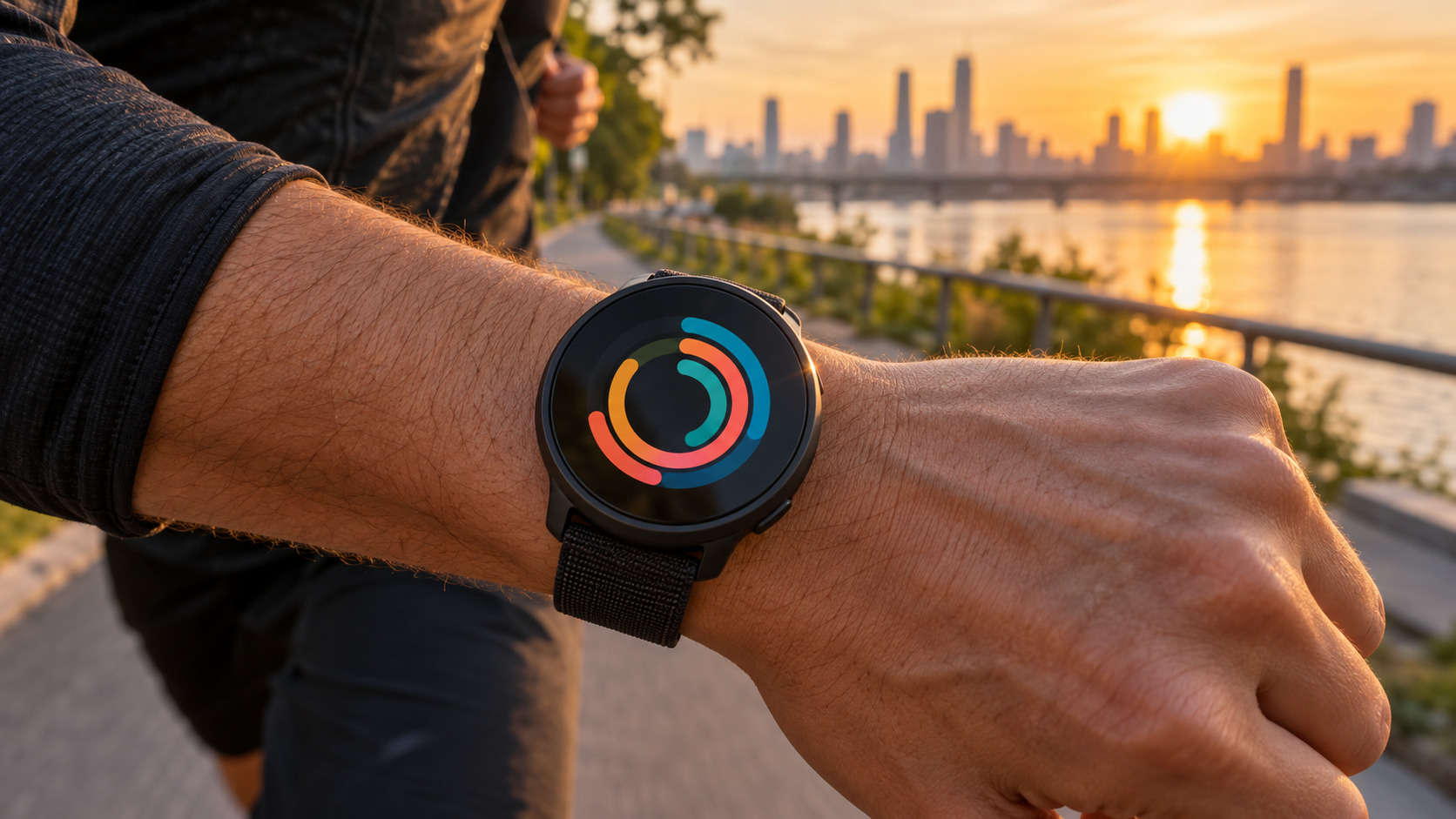
Suunto Run 2 is a 35 g running watch aimed at road training and marathon preparation. Its headline specification is a 2,000-nit AMOLED display, new-generation dual-band GNSS, free worldwide offline maps, and up to 24 hours of dual-band GPS use. That combination makes it interesting for runners who want low wrist weight without treating battery life as an afterthought.
Suunto Run 2 at a glance
| Item | Published specification |
|---|---|
| Weight | 35 g |
| Display | 1.32-inch LTPS AMOLED, 2,000 nits |
| Location | New-generation dual-band GNSS |
| Battery | Up to 10 days daily use; up to 24 h dual-band GPS |
| Water resistance | 5 ATM |
| US price | $399, checked 9 October 2026 |
These are manufacturer-published figures from the Suunto Run 2 product page and launch announcement. Battery life varies with display, satellite settings, sensors, maps, and use temperature.
What is new and what matters
Suunto says Run 2 increases battery capacity by 29% versus the original Suunto Run, adds a brighter display, a 12-channel wrist heart-rate sensor, updated dual-band GNSS, and free offline maps. The original Run remains a useful comparison point: it was 36 g and listed up to 20 hours in high-accuracy tracking, but it is not the same product or price tier.
Detailed editorial assessment by use case
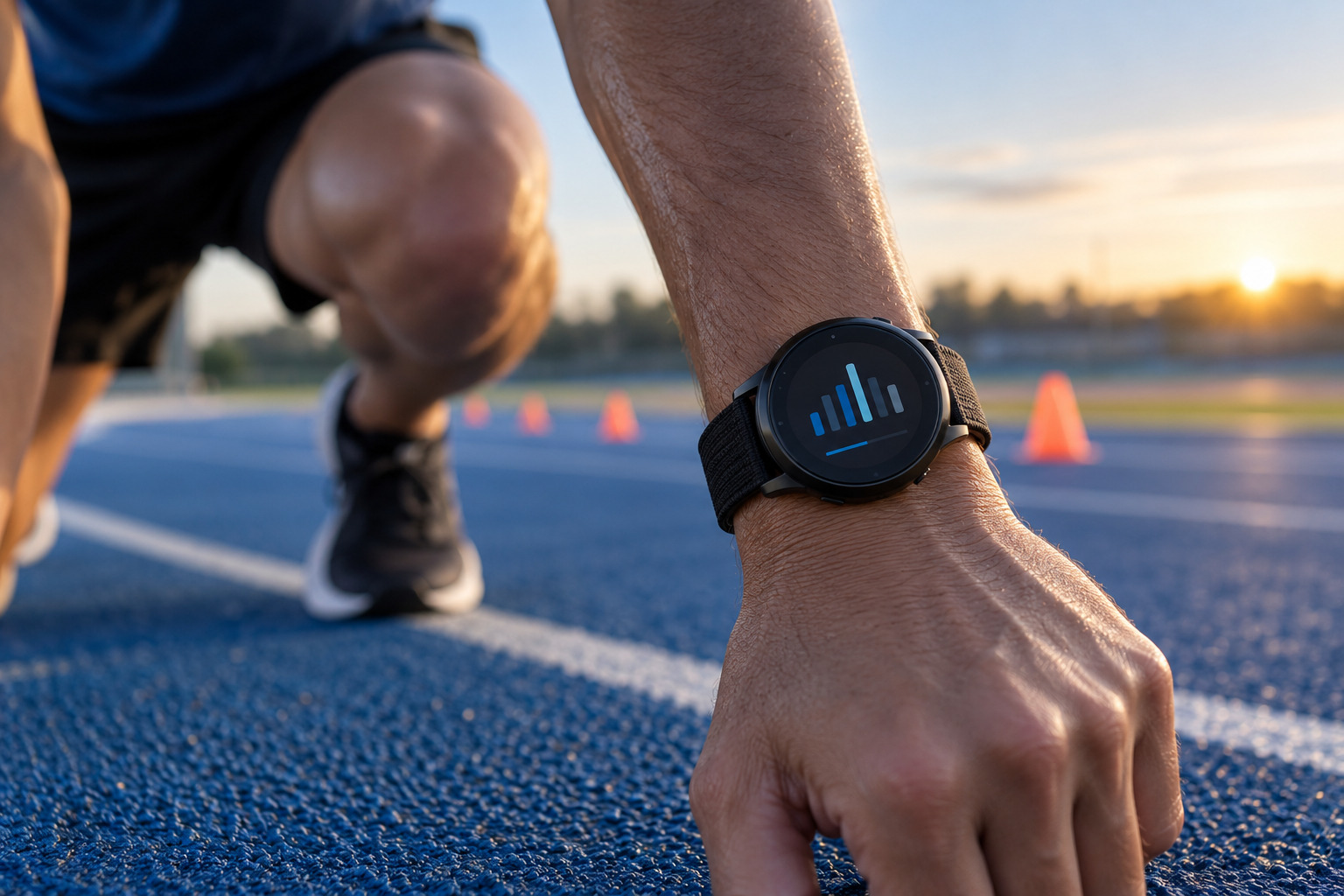
For a road marathon build, 35 g matters most when the watch is worn through easy running, workouts, sleep, and recovery days. The practical test is not whether a specification exists; it is whether the display, buttons, and data screens let a runner check pace without disrupting a repeat. Suunto lists a 2,000-nit display, but brightness behavior at night and in heat is not independently measured in this review.
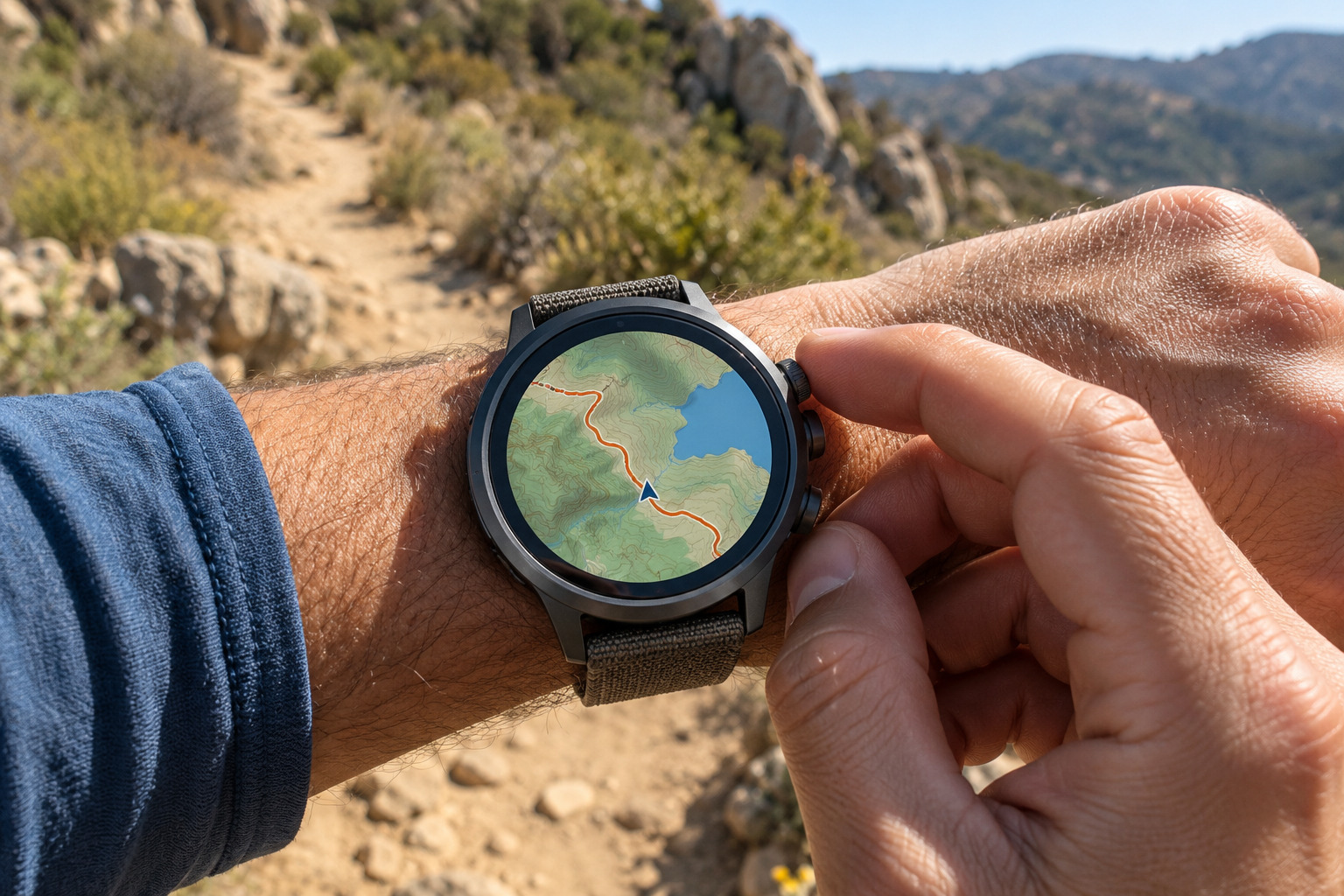
For trail detours, offline maps are more useful as a navigation backup than as permission to skip a route plan, phone, or mandatory safety kit. A watch map is still small; carry the navigation and emergency equipment required by the route and event.
Advantages
- Very low published body weight for an AMOLED, dual-band GPS watch.
- Published 24-hour dual-band GPS figure is a meaningful step up from the prior Run’s published 20-hour high-accuracy figure.
- Offline maps are included rather than positioned as a separate premium tier.
Limitations and cautions
- The $399 US price moves it beyond entry-level running-watch territory.
- “Up to” battery figures are not guarantees for a specific marathon, ultra, or map-heavy route.
- A wrist optical sensor is useful for trend tracking but is not interchangeable with medical measurement or every runner’s chest-strap data.
Comparison: Run 2 vs. original Suunto Run
| Feature | Run 2 | Original Run |
|---|---|---|
| Published body weight | 35 g | 36 g |
| Published high-accuracy GPS | Up to 24 h, dual-band | Up to 20 h, multi-band |
| Daily battery claim | Up to 10 days | Up to 12 days |
| Display claim | 2,000-nit AMOLED | AMOLED; different generation |
| Maps | Free worldwide offline maps | Check current regional feature availability |
Specifications are drawn from Suunto’s Run 2 launch note and the original Run specification page. They should not be read as a controlled, like-for-like battery test.
Who should buy it?
Run 2 makes the most sense for a runner who wants a light daily training watch, an AMOLED screen, structured running tools, and occasional map backup in one device. A runner planning multi-day mountain travel or a very long ultra should compare activity battery modes and mapping needs with a more endurance-oriented outdoor watch before buying.
Before you buy
- Confirm local price, color, storage variant, warranty, and delivery availability.
- Measure the watch against your wrist and preferred strap feel.
- Build a GPS-and-map battery plan for your longest real outing rather than choosing from headline battery numbers.
Verdict
Suunto Run 2 looks strongest where low weight, legibility, dual-band location tracking, and included offline maps matter more than expedition-level endurance. The published specification is promising, but the purchase decision should turn on the runner’s longest GPS use case, not the 35 g headline alone.
FAQ
Is Suunto Run 2 an ultra-running watch?
It can record long activities, but a 24-hour published dual-band GPS figure does not automatically make it the right choice for every ultra. Match the power plan to your likely finish time and features in use.
Can offline maps replace a phone or paper map?
No. Treat them as a navigation aid; carry the navigation and safety equipment required by the route, organiser, and conditions.


コメント