This is an editorial review based on manufacturer specifications, public documentation and comparisons. It is not a hands-on product test.
This article contains affiliate links. We may earn a commission from qualifying purchases.
The Shokz OpenRun Pro 2 makes its case for runners by leaving the ear canal open while combining bone-conduction and air-conduction audio. Its appeal is practical: route awareness, a low quoted mass, USB-C charging and a quoted 12-hour listening time. The trade-off is that open-ear listening is not a substitute for situational judgement.

Overview and published specifications
| Model | Shokz OpenRun Pro 2 (S820 standard / S821 mini) |
|---|---|
| Published mass | Standard 30.3 ±0.5 g; Mini 30 ±0.3 g |
| Battery claim | Up to 12 hours listening; five-minute charge quoted for 2.5 hours of music |
| Water/sweat rating | IP55 |
| Connection | Bluetooth 5.3; quoted 10 m range |
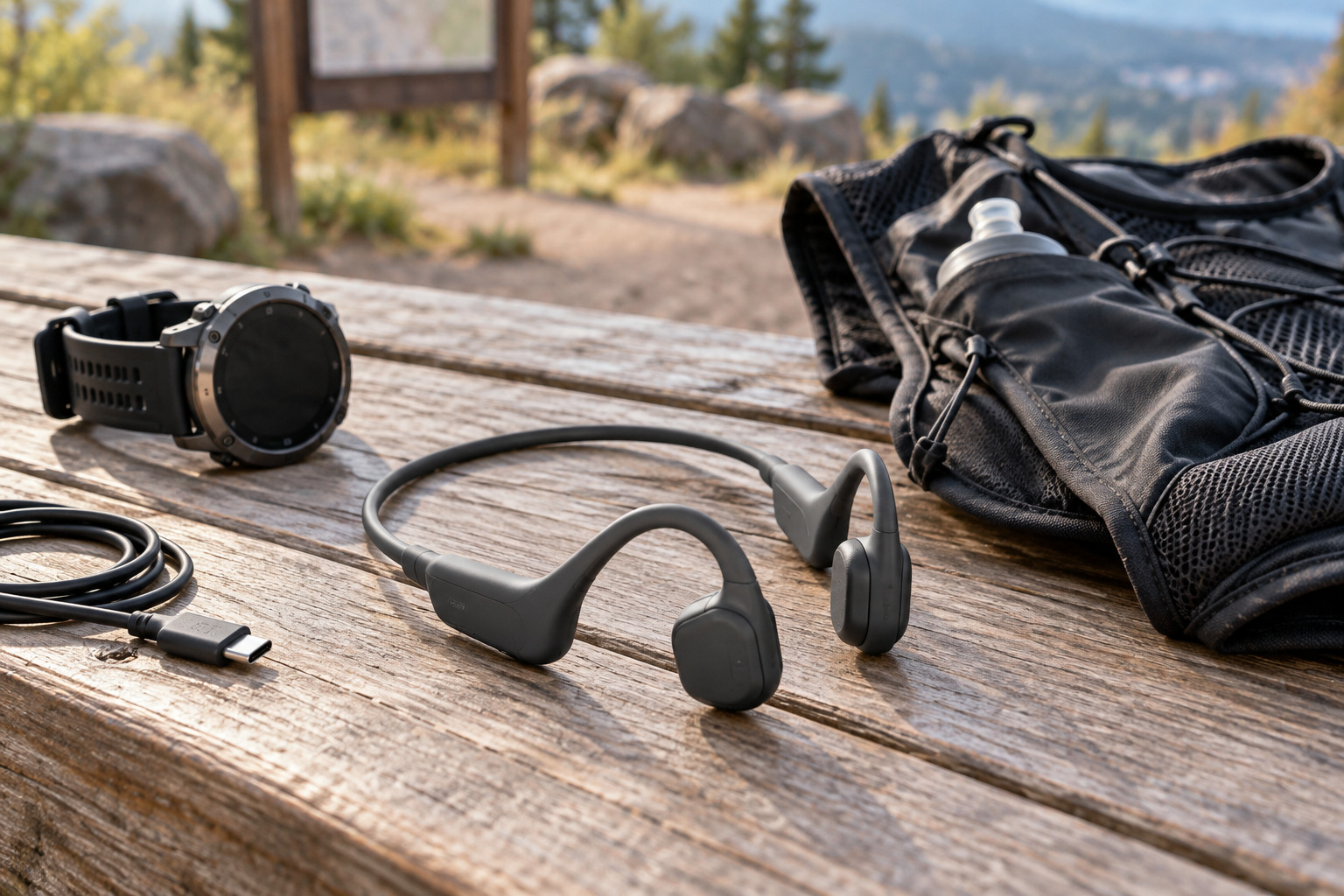
| Charge port | USB-C |
What the design means on a run
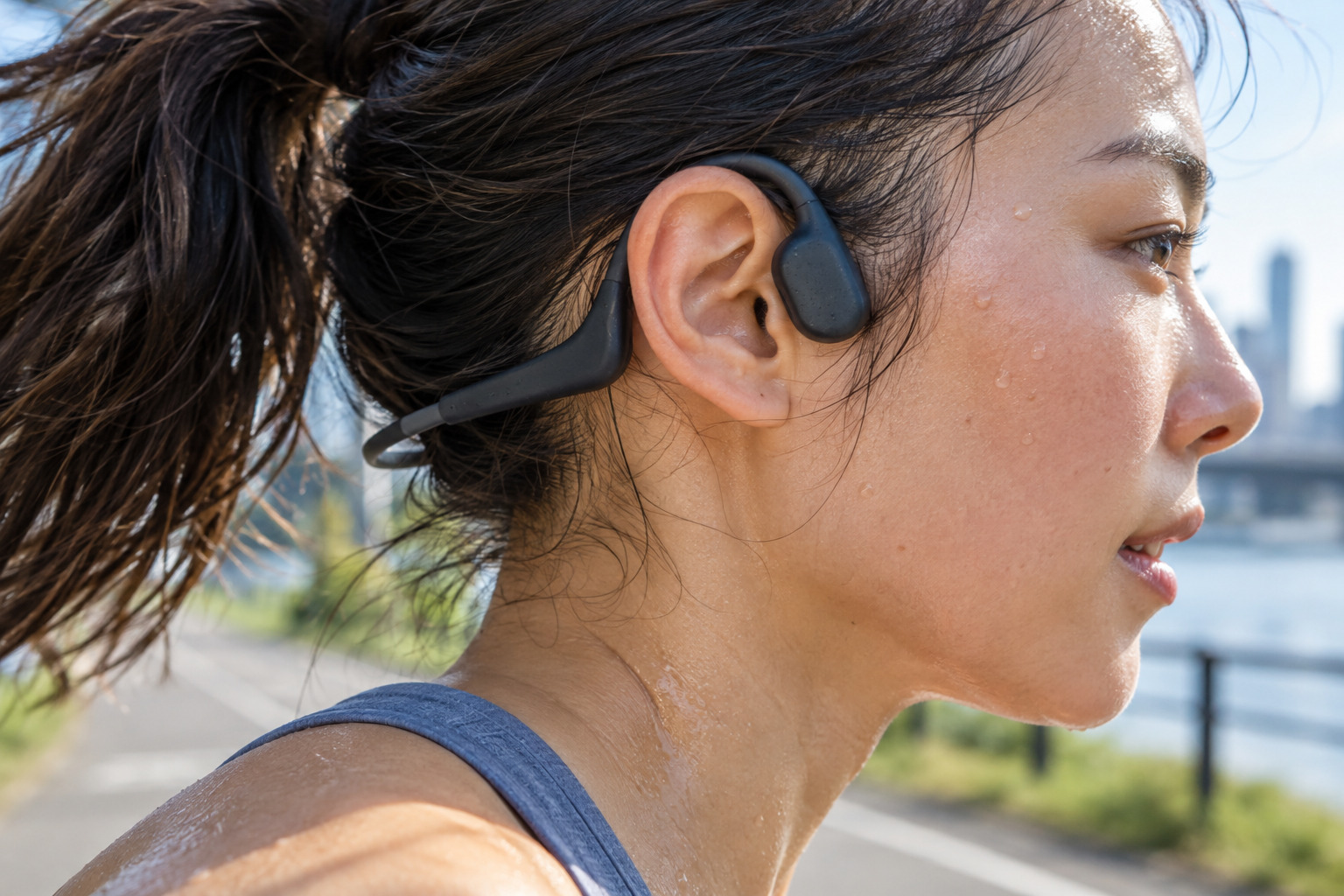
The open-ear format can make it easier to hear a bell, bicycle or teammate. That is useful on shared paths, but it does not make it appropriate to mask traffic with high volume. On a windy ridge, sound quality and audibility may differ markedly from a quiet road; use one familiar route to test controls and volume before relying on it for a long event.
Strengths and limitations
- Strength: The quoted 30 g class mass and wraparound design are suited to movement where in-ear tips can shift.
- Strength: USB-C and quick-charge claims can simplify a forgotten charge before a run.
- Limitation: IP55 is dust-protected and water-jet resistant, not a swimming rating.
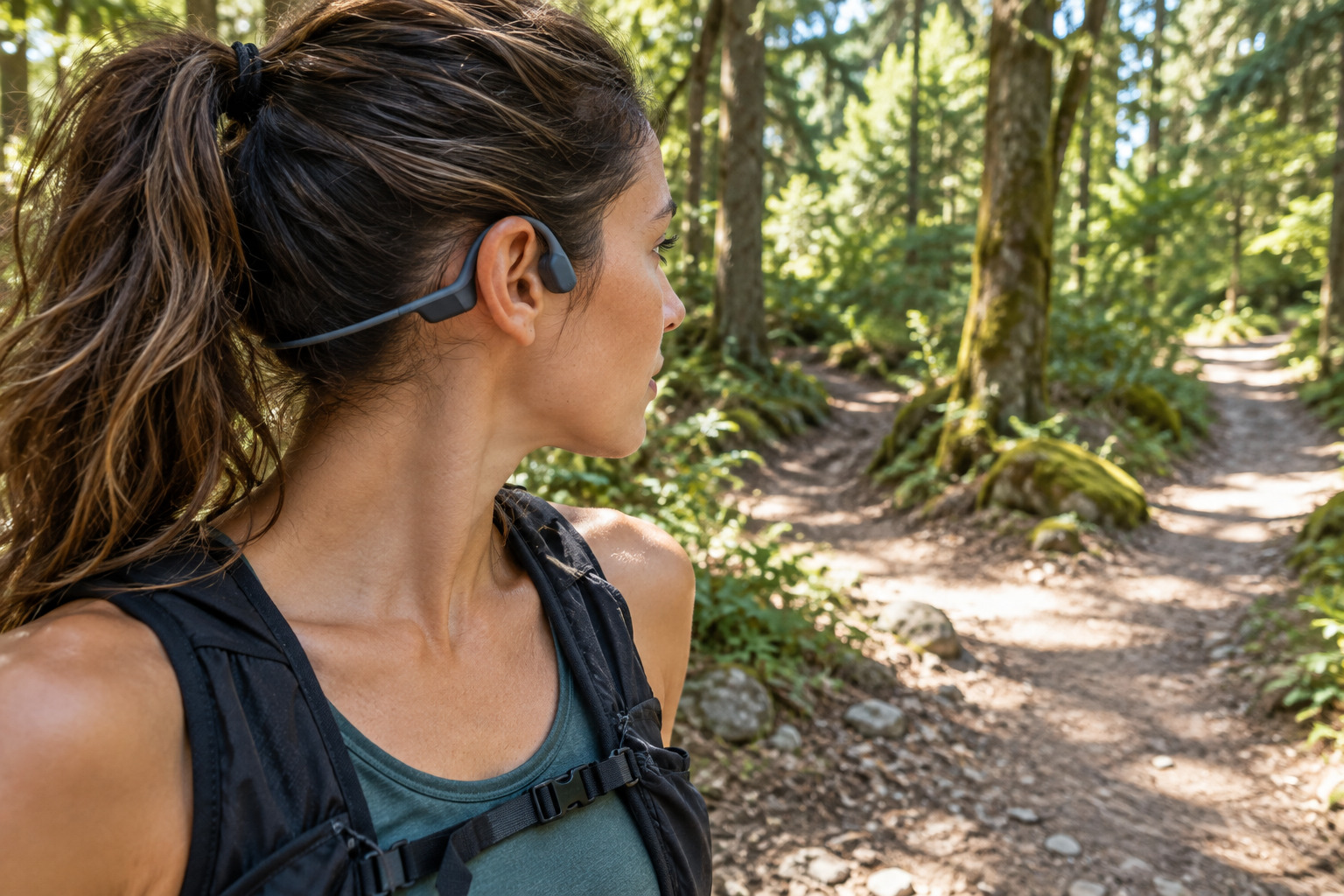
- Limitation: The rear band may be less comfortable against a high jacket collar, pack hood or headrest.
Comparison: open-ear vs in-ear sport headphones
| Priority | OpenRun Pro 2 type | In-ear alternative |
|---|---|---|
| Awareness | Ear canal stays open | May use transparency mode |
| Isolation | Lower | Usually higher |
| Wet use | Check IP rating and charging cover | Check fit plus case protection |
| Pack/hat compatibility | Check rear-band clearance | Check tip security |
Who should consider it?
It is a sensible candidate for runners who prioritise an open ear and a light, banded form factor. It is less compelling for people who want isolation on transit, very deep bass, or a product for submersion. Before buying, check the standard versus Mini fit, local warranty, current regional pricing and whether a hydration-vest collar interferes with the rear band.
Conclusion
Published specifications point to a compelling open-ear running option, especially for awareness-oriented road running. Treat the 12-hour figure as a manufacturer claim that varies with volume and conditions, and prove fit on short runs before an all-day trail event.

コメント