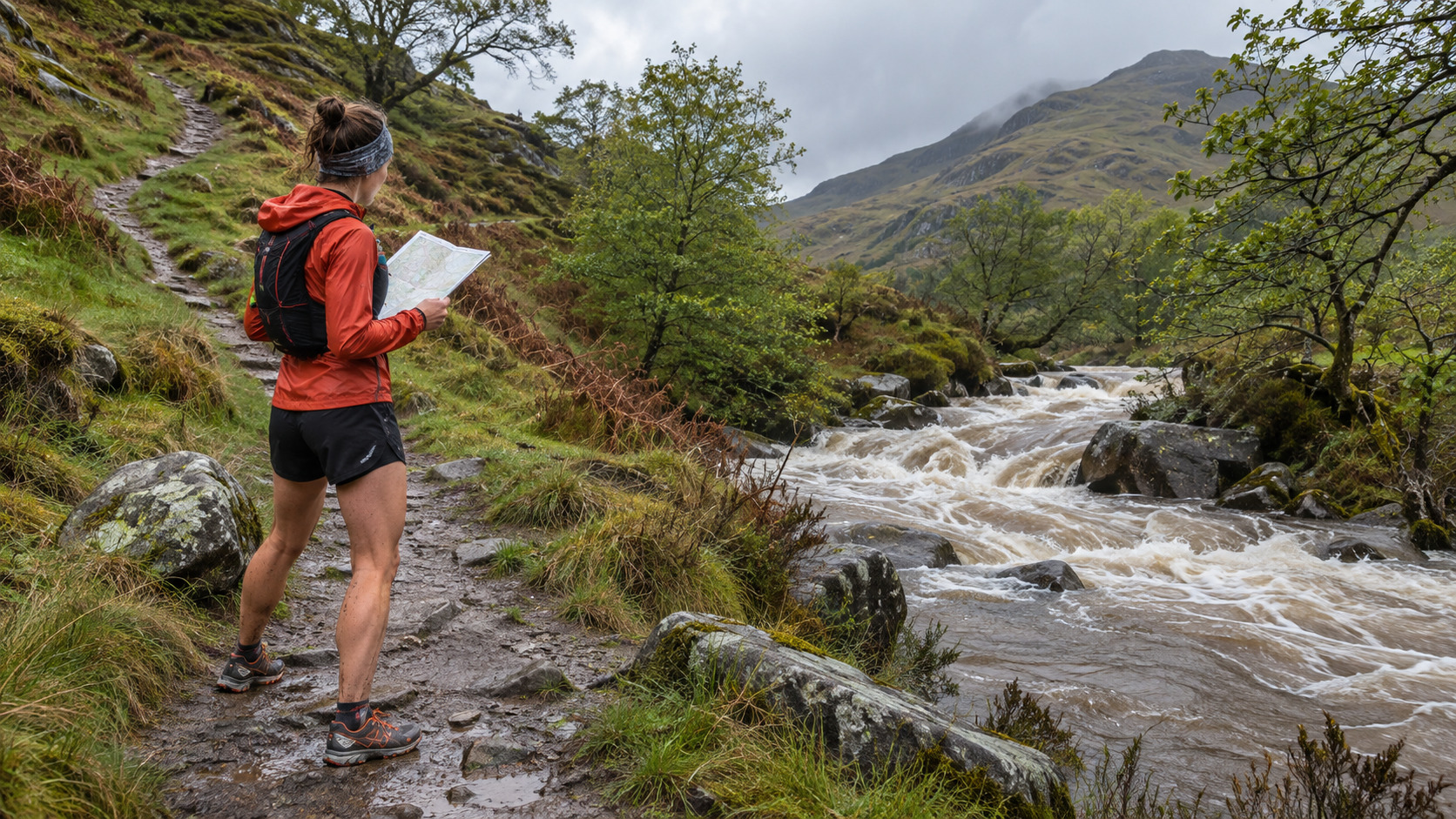
Image: AI-generated illustration. It is not a photograph or evidence of a real crossing.
A trail run can turn into a water-safety decision long before you reach the stream. The useful question is not “can I get across?” but “what tells me to turn around before I am committed?” For a rain-swollen crossing, the default should be a route change or a return—not a test of balance, fitness, or footwear.
The short answer: make the turnaround decision before the crossing
The U.S. National Weather Service advises people outdoors to stop, turn around and find another way when encountering floodwater. Its hiking and camping guidance also notes that water can rise quickly in hilly terrain, sometimes from rain falling far away. Those statements are not a formula for declaring a particular stream safe below a particular depth; they are a reason to avoid treating an unknown crossing as a calculation problem.
Build the decision into the route plan
- Identify crossings and low ground. Mark bridges, fords, gullies and alternate exits on the route before leaving.
- Check the forecast and local alerts. A forecast is a planning input, not a guarantee; change the route if alerts, closures or rapidly changing weather appear.
- Choose a no-crossing alternative. An out-and-back route or a bridge option removes the pressure to “finish the loop.”
- Set a communication point. Tell someone where you intend to turn, not only where you hope to finish.
Offline navigation is a useful backup, but it is not permission to follow a planned GPX track through a hazard. For a simple redundancy checklist, see this trail-navigation preflight guide.
At the water: use an immediate stop rule
Do not enter water simply to learn how strong it is. Stop well back from the bank, look for posted closures or a bridge, and turn around if the route is flooded, the current is moving, the bed is not clearly visible, or the situation is changing. The NWS specifically warns against walking into floodwater of unknown depth and says fast-moving water can knock a person off their feet. Night, fatigue, cold and a solo outing lower the margin further.
What not to infer from a quiet-looking spot
- Clear-looking water does not prove that the trail or bed beneath it is intact.
- Your normal trail shoes do not create traction or protect you from a changing current.
- A previous crossing, a social-media track or someone else’s decision is not a live safety assessment.
- No cell signal is not a reason to press on; it is a reason to keep the conservative option available.
After turning around, make the next decision easier
Report a closure or hazard to the land manager when there is an appropriate channel, and record the route change for your running partner. If weather is also deteriorating, use a broader turnaround framework such as the lightning safety guide. This article is general planning information; obey local orders and seek emergency help when needed.


コメント