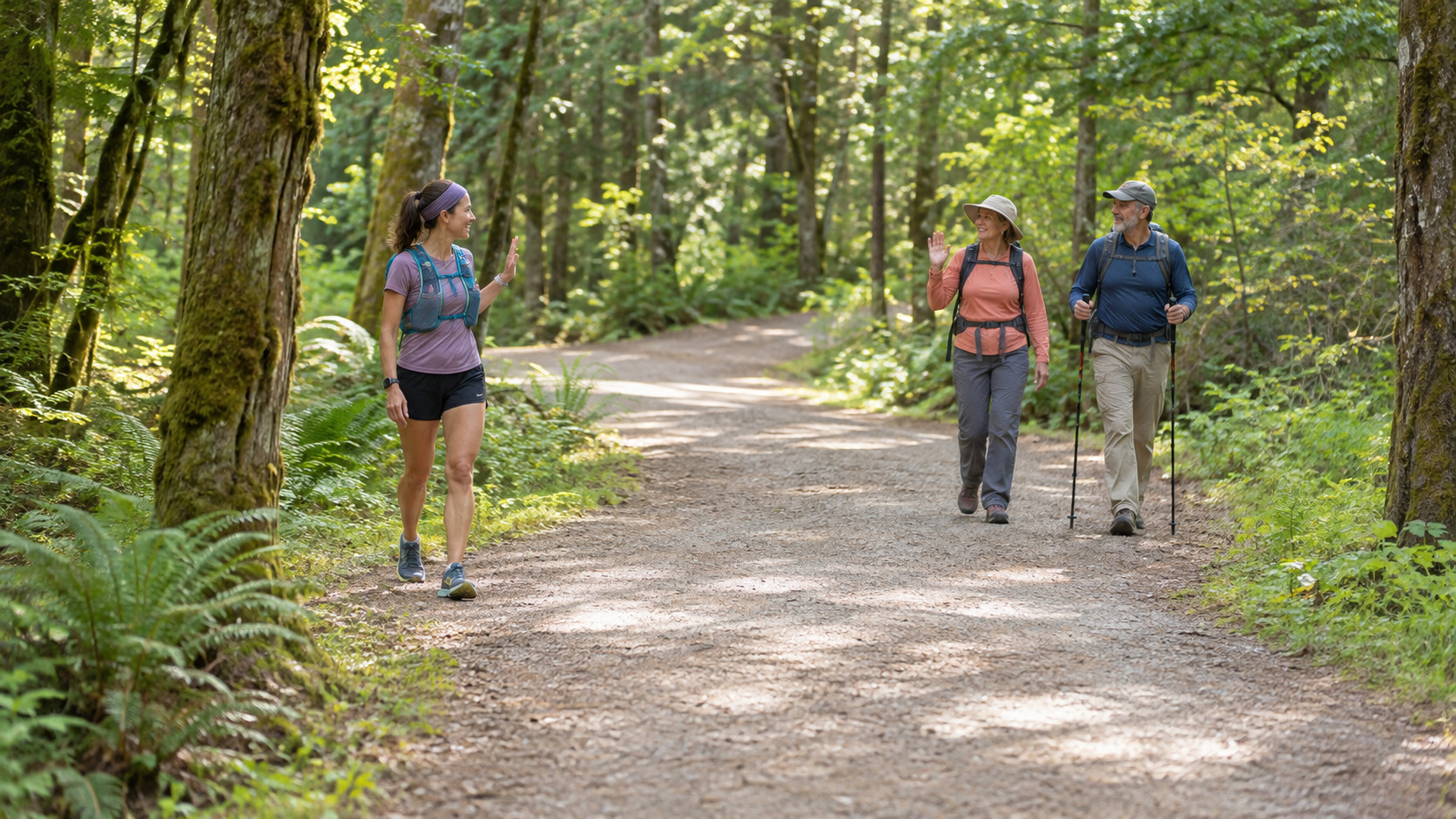
Image: AI-generated illustration. It is not a photograph of a specific trail or trail user.
Good trail running etiquette is less about memorizing a universal pecking order and more about arriving slowly enough to communicate, respect local rules and protect the trail. Right-of-way conventions vary by manager and location. Treat posted rules as the rulebook, and use the cautious option whenever the trail is narrow, muddy, blind or shared with horses.
The practical default: slow first, communicate second, pass last
When you approach someone from behind, reduce speed before you need to stop. Say hello in a calm voice, state that you would like to pass and wait for acknowledgement. Do not expect a hiker to step into vegetation or a horse rider to make a split-second decision. The U.S. National Park Service recommends a friendly announcement when approaching others and stresses staying on the trail where possible.
Four encounters and a safer response
- Uphill traveler: Slow down early and give space. Many parks ask downhill users to yield to uphill users, but follow the local sign if it differs.
- Hikers on a narrow path: Ask before passing; wait for a stable, wider place rather than squeezing by.
- Horses or pack stock: Stop, speak calmly and follow the rider’s instructions. NPS guidance says hikers yield to horses and other pack stock; sudden movement and loud noise can be a problem.
- Muddy or damaged trail: Turn back rather than widening the path around the mud. NPS notes that using very wet, muddy trails can be dangerous and can damage the ecosystem.
Why “I’m faster” is not a right-of-way rule
A runner’s speed creates less reaction time for everyone else. On blind corners, steep descents and loose surfaces, the runner has the most ability to reduce speed before an encounter. If another user yields first, acknowledge it and pass at walking speed. If there is no safe place to pass without stepping off trail, wait.
Local rules still decide the details
Open/closed status, dogs, bikes, seasonal wildlife restrictions and passing practices vary. Check the land manager before you run. The National Park Service itself notes that signage can vary from park to park. That is why a general article should not override a local trailhead sign.
Pair etiquette with route preparation
Ahead of a race or crowded weekend, choose a route and departure time that do not force hurried passing. A preflight check for route, weather and backup navigation is covered in this trail-running preflight article. Courtesy and safety work better when they are part of the plan rather than an apology after a close pass.
コメント