In cold, wet hiking conditions, the goal is not to wear every layer at once. It is to stay ahead of sweat while moving and retain enough dry insulation for a slower pace, a stop or an emergency. The right combination changes with wind, rain, terrain and your own output, so a fixed clothing list cannot replace forecast checks and turnaround judgement.
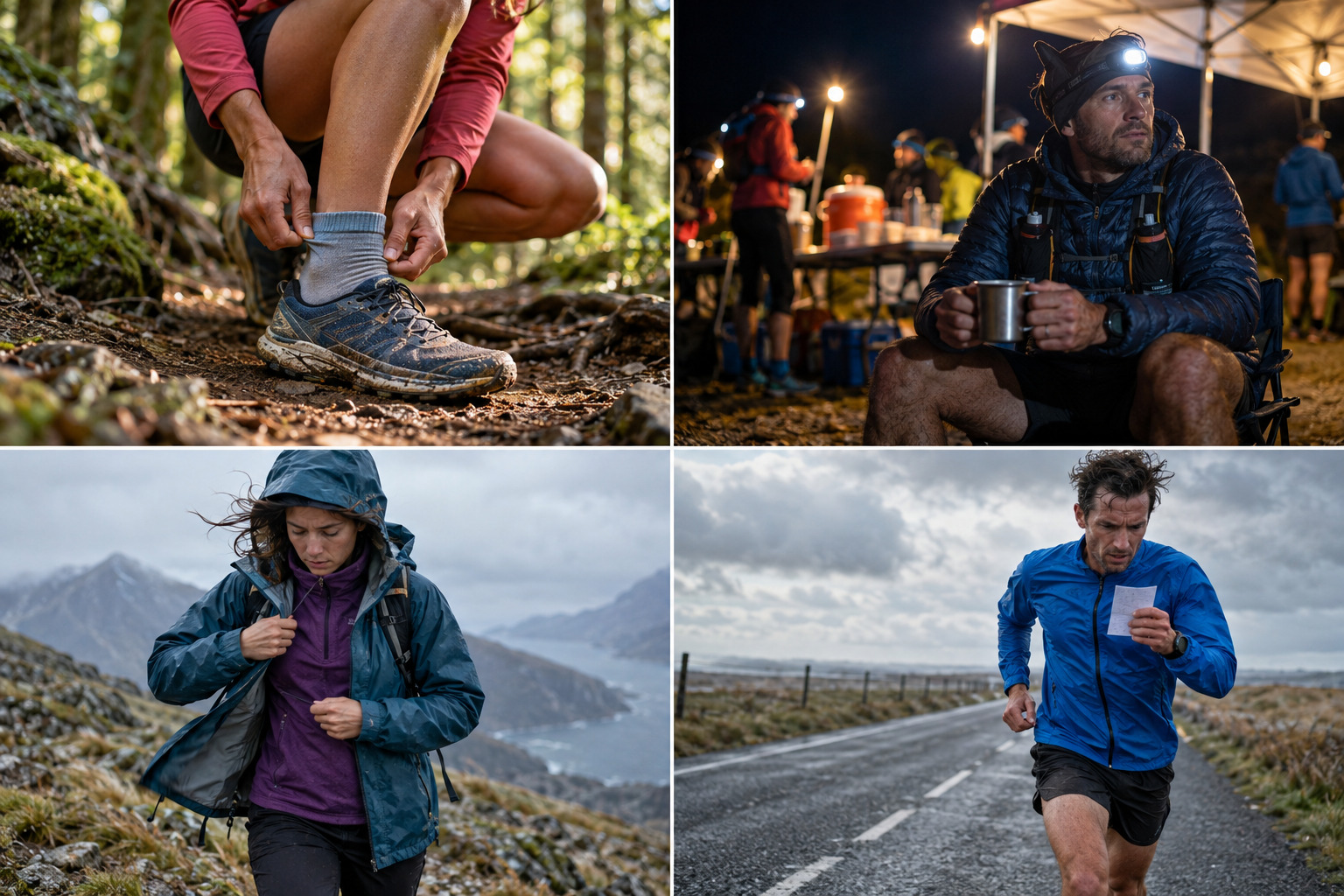
Think in transitions, not garments
| Moment | Likely problem | Useful action |
|---|---|---|
| Steep climb | Overheating and sweat accumulation | Vent or remove a layer before you are soaked |
| Wind-exposed ridge | Rapid cooling | Add wind/rain protection before stopping |
| Long break | Heat loss from wet base layers | Add dry insulation promptly; shorten the stop if needed |
| Rain intensifies | Wet hands and loss of dexterity | Protect hands and reassess route/time |
A simple pack check
Start with a wicking base layer, a warming layer appropriate to the forecast, and a shell that matches the expected rain and wind. Add hat, gloves and a dry spare where conditions justify them. Cotton retains moisture and can be slow to dry; material choice is only one factor, because fit, ventilation and the ability to change layers while moving matter too.
When layering is no longer enough
Shivering that worsens, confusion, clumsiness, exhaustion or an inability to stay warm are reasons to stop treating the outing as a clothing puzzle. Seek shelter, add dry insulation, turn around or call for help as the situation requires. Never rely on a phone signal being available on remote terrain.
Link layers to route decisions
Before a ridge or late descent, ask how long you could tolerate an unplanned stop with what you are carrying. This ties clothing directly to route and turnaround planning; see our mountain-weather turnaround checklist for a broader decision process.
Bottom line
Vent early, layer before you chill, and carry insulation for the part of the day when you are moving least. When conditions outgrow the equipment, the safer layer is a shorter route.
Sources
US National Weather Service cold-weather safety · American Hiking Society cold-weather guidance

コメント